








Do Something, Say Something – Enforcing Sanitation Laws in Ghana

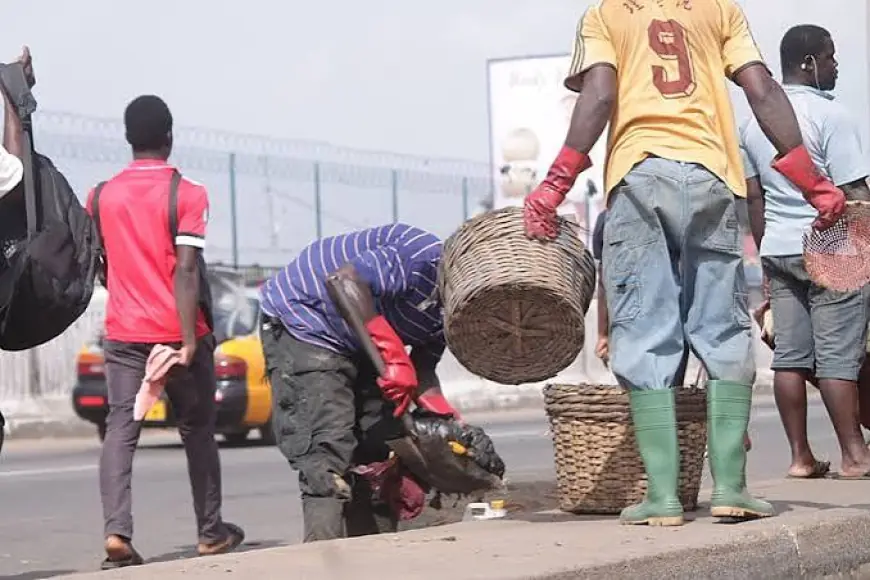
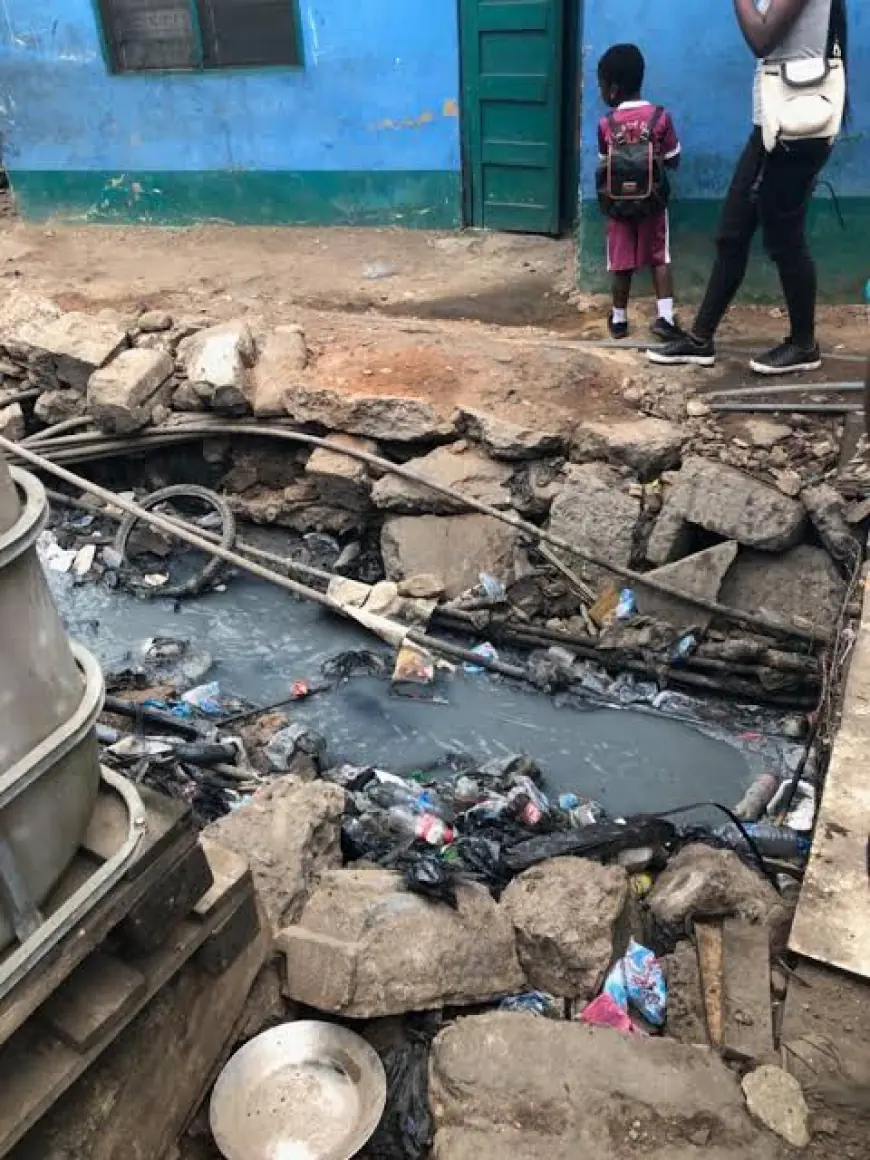
Growing up, I often heard my mother tell stories about the days of the "sanitation police." According to her, if you dared to litter, dump refuse indiscriminately, or ignore basic sanitation rules, you could find yourself being arrested before you even made it home. At the time, it sounded like one of those stories parents tell to scare their children into behaving.
Today, I find myself wondering whether we will ever return to that level of enforcement. The truth is, the laws never disappeared. They have always been with us. What disappeared for a while was the willingness to enforce them.
Thankfully, that could change.
Across the country, Metropolitan, Municipal and District Assemblies are becoming more proactive in enforcing sanitation bye-laws. Environmental Health Officers are back on the streets, environmental courts are hearing sanitation cases, and offenders are being prosecuted. This is good news because sanitation is not merely about keeping our surroundings beautiful; it is about protecting public health, preventing disease, and preserving human dignity.
The Law is Clear
Sanitation in Ghana is regulated primarily under the Local Governance Act, 2016 (Act 936) together with the sanitation bye-laws made by the various Metropolitan, Municipal and District Assemblies (MMDAs), such as the Accra Metropolitan Assembly (AMA) and the Kumasi Metropolitan Assembly (KMA).
Many people are surprised to learn that some everyday practices are actually criminal offences.
Here are additional explicit sanitation-linked offences and their legal repercussions:
- Failure to Maintain Clean Premises and Drains
- Offence: Occupiers or owners failing to keep the immediate surroundings, including the drains and gutters that abut their premises up to the middle of the street, clean and clear of choked materials.
- Punishment: On summary conviction, liability to a fine of up to 100 penalty units, or a term of imprisonment between 30 days and 6 months, or both.
- Absence of Household Toilet Facilities
- Offence: Operating or living in a household premises without an approved sanitary toilet facility for the occupants.
- Punishment: Prosecution under the sanitation court resulting in fines (frequently averaging 50 to 60 penalty units depending on the sub-metro) or a default custodial sentence of up to 2 to 3 months.
- Burning Refuse in Residential Areas
- Offence: Setting fire to solid waste or refuse anywhere within a domestic or residential compound instead of routing it through designated waste services.
- Punishment: Summary conviction carrying a fine of up to 100 penalty units, or imprisonment between 30 days and 6 months.
- Selling or Preparing Food under Unhygienic Conditions
- Offence: Preparing, displaying, or selling food on open streets, over open drains, or in an environment that poses public health risks.
- Punishment: Fines up to 100 penalty units or imprisonment, along with a potential court-ordered bond to desist from trading at the unauthorized, unsanitary location.
- Operating Without a Food Handlers’ / Medical Health Certificate
- Offence: Commercial food vendors, cooks, or servers selling food to the public without a valid, updated medical health certificate proving they are fit to handle food safely.
- Punishment: Summons to the AMA Sanitation Court, resulting in fines or closure of the food establishment until compliance is met.
- Allowing Overgrowth of Weeds
- Offence: Permitting bushes, weeds, or tall grass to overgrow within a compound or surrounding property boundaries, creating breeding grounds for mosquitoes and pests.
- Punishment: Up to 100 penalty units or imprisonment for 1 to 6 months, following failure to comply with an initial abatement notice served by Public Health Officers.
- Receiving Services from Unregistered Waste Collectors
- Offence: Using or hiring unauthorized, unaccredited solid or liquid waste collectors (popularly known as "bola taxis" or unauthorized cart pushers) instead of the Assembly-designated service provider.
- Punishment: A fine of up to 100 penalty units, or up to 6 months imprisonment.
- Defective Septic Tanks
- Offence: Allowing a household septic tank or liquid waste containment system to fall into disrepair, leak, overflow, or discharge effluent publicly.
- Punishment: Prosecution at the Sanitation Court, carrying standard fines of up to 100 penalty units or imprisonment terms if nuisances are not urgently abated.
Yes, You Can Be Prosecuted
Many people assume the worst that can happen is being asked to clean up.
That assumption is wrong.
Sanitation offences are prosecuted before environmental courts, and the courts have wide powers to punish offenders.
Depending on the offence and the applicable bye-law, the court may impose:
- Fines running into significant amounts through the penalty unit system.
- Imprisonment, particularly for repeat offenders or serious environmental violations.
- Both a fine and imprisonment.
- Community service or compulsory clean-up exercises.
- Orders requiring landlords to provide sanitation facilities or comply with environmental standards.
These are not theoretical penaltiies
Enforcement is Becoming a Reality
Recently, several assemblies, including the Kumasi Metropolitan Assembly, have intensified sanitation enforcement exercises. People have been arrested, prosecuted and convicted for offences many once considered "minor."
I remember sitting in court one day while several sanitation offenders were brought before the judge.
Some had already paid their fines but were still before the court because legal questions had arisen regarding aspects of the proceedings. Before long, constitutional issues were being discussed, and I overheard the judge indicate that one matter would have to be referred to the Supreme Court for interpretation.
Imagine that.
What started because someone left rubbish in front of a shop eventually raised constitutional questions before the highest court in the land.
That experience reminded me that no legal matter is ever truly "small." Something as ordinary as littering can have surprisingly significant legal consequences.
Have a Stubborn Neighbour?
Most of us have encountered that one neighbour who repeatedly dumps refuse improperly, burns waste, allows sewage to flow onto the street, or simply refuses to keep the environment clean.
Instead of arguing endlessly, report the matter.
WhatsApp Reporting
The Accra Metropolitan Assembly has made reporting sanitation offences easier through dedicated WhatsApp channels where residents can send photographs, videos and location details.
Every Metropolitan, Municipal and District Assembly has an Environmental Health and Sanitation Unit.
You can simply:
- Visit your local Assembly office.
- Ask for the Environmental Health Department.
- Make a verbal or written complaint.
- Where necessary, submit photographs or videos.
For persistent problems—especially where businesses or landlords are involved—a formal complaint signed by affected residents often carries greater weight and may trigger a quicker inspection.
And yes, if the matter is particularly serious, engaging a lawyer to prepare the complaint may be worthwhile.
Make Your Complaint Easy to Investigate
If you report a sanitation offence, include:
- Clear photographs or short videos.
- The exact location, including landmarks or a map pin.
- A brief description of the problem.
For example:
- "Landlord refuses to repair leaking sewage."
- "House with multiple tenants has no toilet facility."
- "Neighbour burns plastic waste every evening."
- "Illegal dumping of refuse into the gutter."
With sufficient information, Environmental Health Officers have the legal authority to inspect the premises, issue abatement notices requiring the problem to be fixed within a specified period, or prosecute offenders before the appropriate court.
Sanitation is Everyone's Responsibility
We often complain about flooding, malaria, cholera and poor waste management. Yet many of these problems begin with seemingly small acts—throwing rubbish into a gutter, burning waste indiscriminately, or refusing to provide basic sanitation facilities.
The law cannot be everywhere.
That is why every citizen has a role to play.
Keep your surroundings clean.
Dispose of waste responsibly.
Speak up when you see violations.
Report offenders where necessary.
Doing nothing allows the problem to grow.
Do Something. Say Something.
The convictions are real.
The fines are real.
The imprisonment is real.
The upcoming enforcement exercises will not distinguish between those who knew the law and those who did not.
As lawyers often say, ignorance of the law is no excuse.
So before you throw that plastic bottle into the gutter, before you dump refuse in an open space, or before you ignore that overflowing drain in front of your house, remember that one careless act could have legal consequences.
Let's all do our part.
Because a cleaner Ghana begins with each one of us.
Do something. Say something.